Christians believe that Jesus was born in Bethlehem between 6 and 4 BCE. He became a wandering spiritual teacher, accompanied by a band of disciples. His teachings brought him into conflict with the Jewish authorities and he was condemned to death and crucified. After his death his disciples began to spread his teachings. Gradually, Christian communities were established, from which grew the Christian Church.
Differences in doctrine and practice caused the separation of Christendom into three denominations: the Eastern or Orthodox Churches, the Roman Catholic Church, and the Protestant Churches. The latter can trace their history to the Reformation of the 16th century, when various leaders such as Martin Luther rejected the corruption and worldliness of the Catholic Church, and sought a more austere form of worship, with emphasis on the teachings of the Bible rather than the power of the priesthood.
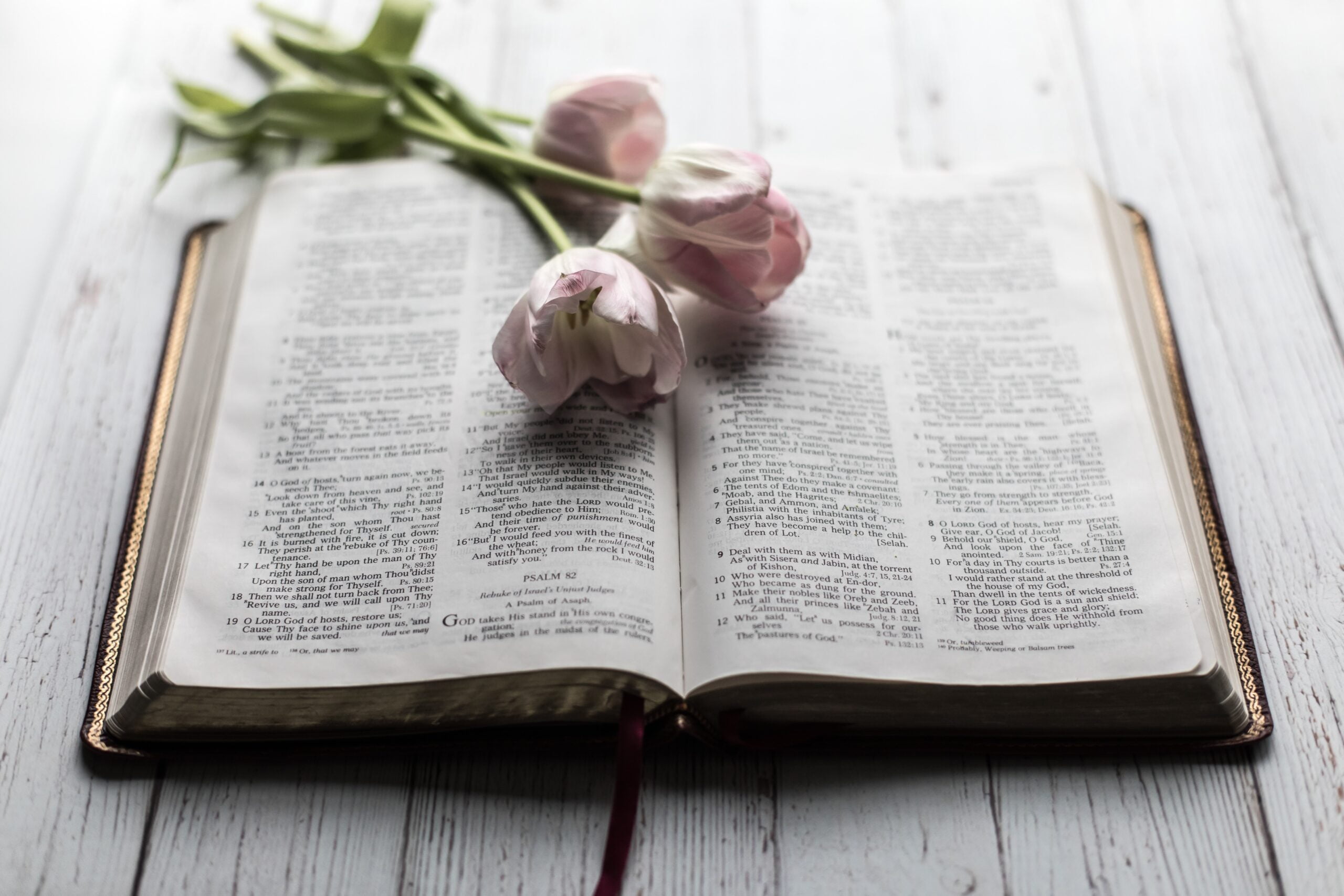
The most important Christian texts are the two volumes of the Bible, the Old and New Testaments. The Old Testament contains the sacred scriptures of Judaism, while the New Testament contains the life and teachings of Jesus as told by four of his disciples
All Christians believe that Jesus was the Son of God, sent to earth by his Father to save humanity from their sins. They also believe that after his crucifixion, Jesus rose from the dead and rejoined his Father in Heaven. His followers saw in this Resurrection proof that Jesus was the Messiah or Christ promised by the prophets in the Old Testament.
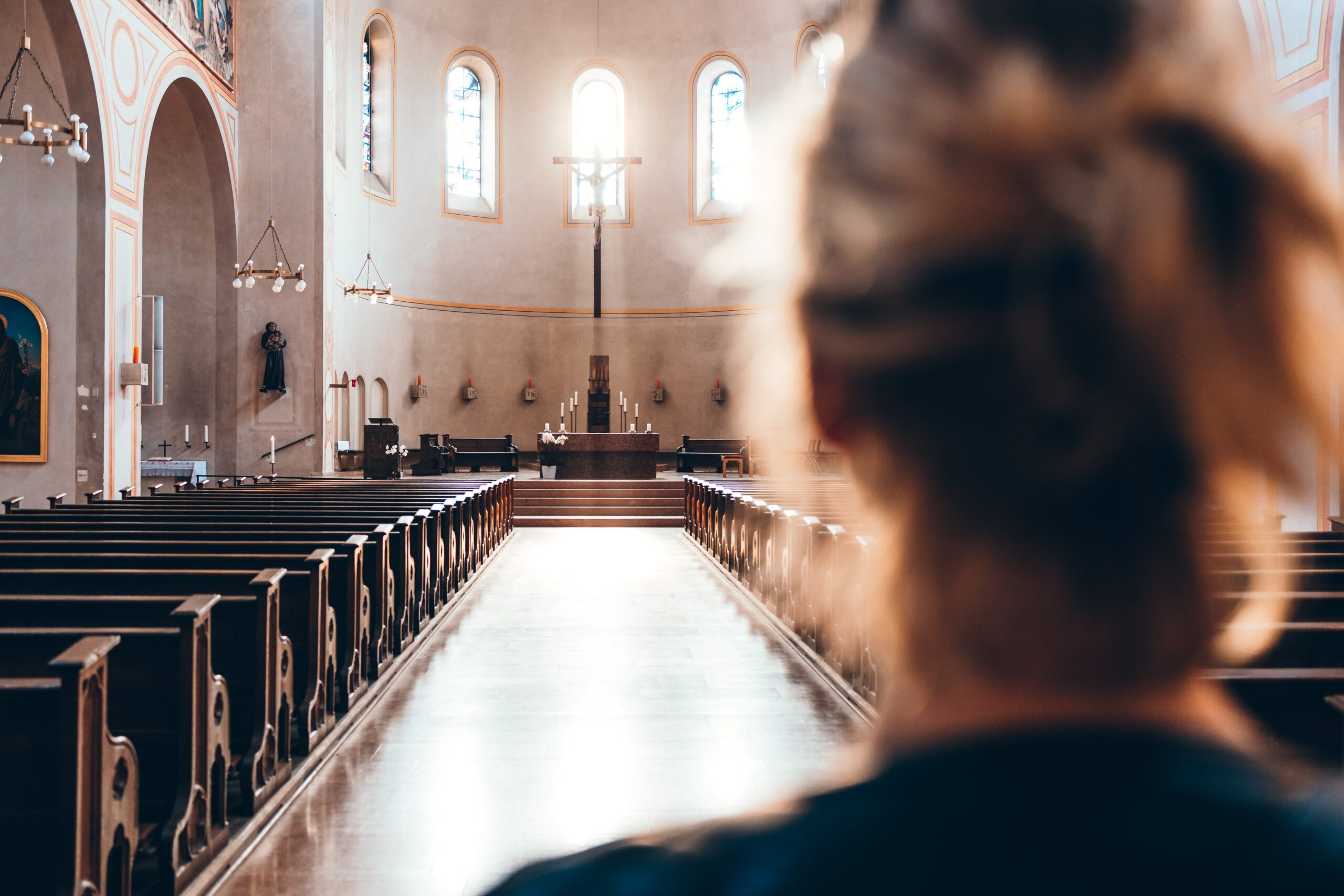
All Christians accept the authority of the Bible. They worship by saying private prayers and attending church on Sundays. Church services include music, readings from the Bible, prayers, hymns and sacred rituals instituted by Christ himself called sacraments. The principal sacrament is the Eucharist (Holy Communion) at which bread and wine are consecrated by the priest and distributed among worshippers as the body and blood of Jesus Christ. This sacrament commemorates the Last Supper, which Jesus shared with his disciples before his arrest and crucifixion.
Roman Catholics make up the largest Christian group; there are an estimated 1.2 billion Catholics in the world. They believe that the Pope, the head of the Catholic Church, is God’s representative on earth, and that his authority on religious matters must be obeyed. Most Catholics attend Mass on Sundays and regularly confess their sins to a priest. Catholicism is the predominant religion in France, Italy, Spain and South America.
The Eastern Orthodox Church, which separated from the Roman Catholic Church in the 11th century, shares many of its beliefs, but differs mainly in that the veneration of icons plays an important part in the act of worship. The congregation stands, kneels or moves about the church but never sits. Musical instruments are not used during the service; instead a choir sings hymns and responses to the chanting of the priest. There are approximately 250 million Eastern Orthodox Christians worldwide, the majority living in Russia and Eastern Europe.
Most Protestant churches recognise only two sacraments – baptism and communion – as opposed to the seven accepted by the Catholic Church. There is estimated to be between 800 million and 1 billion Protestants worldwide, predominantly in North America, Africa and northern Europe, although there are growing numbers in Latin America and Asia. Protestant sects vary hugely, from the austere and traditional rituals of the Church of England to the impassioned and emotional worship of the Pentecostals and Southern Baptists.
The purpose of a Christian life is to know, love and serve God, show love and compassion to others, perform charitable works, and to attend church. Christians are taught from childhood to observe the Ten Commandments, said to have been given by God to the Prophet Moses on Mount Sinai. They describe the general religious and moral requirements for Christians.
As with other religions, the main prerequisite in Christian worship is to show respect. Skimpy, revealing clothing in church is frowned upon, and in some traditional Catholic churches women wear a head covering. During Christian services, or even when looking around a historic church, it is expected that people will keep conversation to a minimum and whisper. It is customary to give money to collections that take place during Christian services, or to contribute to the upkeep of the church, often by putting money in a donation box. In many Christian churches, it is customary to light candles, which symbolise prayers that are said for other people, and usually a small donation is made.
The two most important Christian festivals are Christmas and Easter. Christmas day – the birthday of Jesus – is always celebrated on 25th December in the Western Church. It is marked by attendance in church, the giving of gifts to friends and family, and charity to the poor. Orthodox Christians celebrate Christmas Day on or around 7 January, which relates to the Julian calendar that predates the current Gregorian Calendar. Many Orthodox Christians fast before Christmas Day, which is celebrated with feasting and family get-togethers. Easter, which takes place on a Sunday between 22 March and 25 April in t he Western Church, celebrates Jesus Christ’s resurrection from the dead three days after his crucifixion. Traditional Easter customs such as egg-rolling are probably of pagan origin. Its date is variable because it takes place on tThe first Sunday after the first full moon of the spring equinox; Orthodox Easter is celebrated on the Sunday after the first full moon after Passover.


