Anyone who has embarked on the arduous business of planning a wedding will acknowledge that a well-chosen and efficient wedding team will go a long way towards making that special day run smoothly. Inevitably, the wedding team also encompasses the bride and groom and their parents, but the main focus is on the choice of the best man, ushers and bridesmaids.
Modern weddings have moved a long way from the rigid traditions of the Victorian era, and the new flexibility has enabled couples to ring the changes and, in some cases, dispense with the traditional wedding team altogether. But inevitably some charming traditions will be lost, so we are taking a look at Victorian attitudes to the wedding team and their duties in the lead-up to the big day and how they contrast with modern expectations.
The invaluable Routledge’s Manual of Etiquette (1860) has this to say about the selection of bridesmaids:
“The bridesmaids should include the unmarried sisters of the bride; but it is considered an anomaly for an elder sister to perform this function. The pleasing novelty for several years passed, of an addition to the number of bridesmaids varying from two to eight, and sometimes more, has added greatly to the interest of weddings, the bride being thus enabled to diffuse a portion of her own happiness among the most intimate of her younger friends.
One lady is always appointed principal bridesmaid, and has the bride in her charge; it is also her duty to take care of the other bridesmaids have the wedding favours in readiness. On the second bridesmaid devolves, with her principal, the duty of sending out the cards; and on the third bridesmaid, in conjunction with the remaining beauties of her choir, the onerous office of attending to certain ministrations and mysteries connected with the wedding cake.”
To this day the chief bridesmaid, frequently a close friend or sister of the bride, is the main sounding-board in the lead-up to the wedding and on the day itself. She must be a confidante and a trustworthy friend; it is important that she understands any idiosyncrasies of the bride.
She is often the bride’s main helper. This will include involvement in plans before the wedding and acting as her key aide on the day. She will attend wedding dress fittings, help the bride choose dresses for the bridesmaids, and liaise with other bridesmaids. In contrast to her Victorian predecessors, she will have to organise a hen night.
If there are to be other adult bridesmaids, she will be assisted by them. If the bride has chosen small children as bridesmaids, then it will fall to the chief bridesmaid to liaise with their parents. These days the main duties of bridesmaids before the wedding are to attend dress fittings and rehearsals and help the chief bridesmaid with plans for the hen night. They no longer have to look after sending out cards or looking after wedding cake rituals (see below).
The Victorians nominated a number of ‘bridesgroomen’ to attend the groom at his wedding. One was selected as the best man, the rest acted in much the same way as modern ushers:
“It behoves a bridegroom to be exceedingly particular in the selection of the friends who, as groomsmen, are to be his companions and assistants on the occasion of his wedding.
The number is limited to that of the bridesmaids: one for each. It is unnecessary to add that very much of the social pleasure of the day will depend on their proper mating. Young and unmarried they must be, handsome they should be, good-humoured they cannot fail to be, well-dressed they will of course take good care to be. Let the bridegroom diligently look over his circle of friends, and select the comeliest and the pleasantest fellows for his own train.
The principal bridegroom’s man, style his ‘best man’ has, for the day, the special charge of the bridegroom; and the last warning we would give him is, to take care that, when the bridegroom puts on his wedding waistcoat, he does not omit to put the wedding ring into the corner of the left-hand pocket.”
Today the emphasis is still on the best man’s sense of responsibility, and his forward planning and organisational abilities. It is also stressed that high levels of diplomacy and reliability are needed, as he will be closely involved in the planning of the wedding. It falls to him to ensure that the day runs smoothly and that everyone is fulfilling his or her duties. He must also take responsibility for organising a stag night and liaise with his ushers, ensuring they have the correct clothes and understand their role on the big day.
The ushers’ chief duties take place on the actual day, when they must assist the best man, and marshal the guests. Before the actual wedding day, their only duties are to ensure that they have suitable clothes for the wedding, and to help the best man plan the stag night.
The Victorians had several rituals that took place on the day before the wedding, many of which are no longer performed. These placed a greater burden of responsibilities on bridesmaids and bridesgroomsmen than we are used to – though the duties and expectations of the modern wedding team on the wedding day itself may be more onerous, especially when a large reception is planned, in contrast to the more modest wedding breakfasts of the Victorian era.
Wedding Gloves
“The bride now sends white gloves, wrapped in white paper and tied with white ribbon, to each of the bridesmaids. The bridegroom does the same to each of the bridegroomsmen.”
Gloves are no longer a prerequisite of modern wedding dress, and there is no longer any obligation to provide them.
Wedding Cake
“One portion of the wedding cake is cut into small oblong pieces, and passed by the bridesmaids through the wedding ring, which is delivered into their charge for this purpose. The pieces of cake are afterwards put up in ornamental paper, generally pink or white, enamelled, and tied with bows of silvered paper.”
The wrapped wedding cake was kept as a memento of the day. At the wedding breakfast the bridesmaids cut the remainder of the cake into small pieces that were not eaten until the health of the bride was proposed.
Wedding Bells
“It is usual too for the bridegroom’s ‘best man’ to make arrangements for the church bells being rung after the ceremony: the rationale of this being to imply that it is the province of the husband to call on all the neighbours to rejoice with him on his receiving his wife, and not that of the lady's father on her going from his house.”
Wedding Cards
“The bridegroom furnishes to the bridesmaids his list for the ‘Cards’ to be sent to his friends [after the marriage]…. The cards, which are always furnished by the bridegroom, are twofold – the one having upon it to the gentleman’s and the other the lady’s name. They are placed in envelopes, those containing the lady’s card having her maiden name engraved or lithographed inside the fold. The lady generally sends cards to all whom she has been in the habit of receiving or visiting while at her father’s house.”
The purpose of the cards was to announce the marriage to the couple’s circle of acquaintance and to alert them to the fact that they could now be visited – sometimes the worlds “At home” were added, and the address was provided, indicating that a call was expected, usually about a month after the couple’s return from honeymoon.
Wedding Favours
“The bridesmaids on this evening also prepare the wedding favours, which should be put up in a box ready to be conveyed to the church on the morning of the marriage….Inside the church, the wedding favours are distributed, and gay, indeed, and animated is the scene, as each bridesmaid pins on to the coat of each bridegroomsman a wedding favour which he returns by pinning one also on her shoulder.”
In this context, the wedding favours are the Victorian equivalent of the modern buttonhole. As well as being sported by the wedding party, favours were also distributed to all the servants in attendance, who pinned them on their hats, while the coachmen used them to ornament the ears of his horses.
The revised Highway Code, published in January 2022, makes it clear that vehicles that carry the greatest potential to do harm should be operated with a corresponding sense of caution and responsibility towards more vulnerable road users, creating a hierarchy of responsibility from huge HGVs to humble pedestrians.
The Highway Code’s new hierarchy is an explicit attempt to save us from ourselves. We have all experienced the phenomenon of a fierce sense of identification with the group to which we currently belong. If we are driving cars, we are maddened by irritating pedestrians and cyclists; if we are on foot we feel threatened and overlooked by cyclists and motorists, and so on. We are all quite capable of shifting these loyalties several times a day, depending on our circumstances. Defining and codifying our behaviour towards other road-users is an attempt to control these dangerous blindspots.
Pedestrians are now offered special protection. Not only must vehicles (including cycles) stop for them at zebra crossings, they must also give way at junctions where pedestrians are waiting to cross, or already in the process of crossing, and allow them to do so.
But pedestrians are not only protected from drivers in overbearingly large vehicles, they are also shielded from cyclists. Pavements are for pedestrians (and wheelchairs and mobility scooters) only. Cyclists are not allowed to use pavements, and it is to be hoped that, even if they are forced to share a cycle track with pedestrians, they will henceforth resist all temptations to intimidate slow-moving foot traffic: peremptory ringing of bells; sitting threateningly on a walker’s shoulder; swerving dangerously close to pedestrians as they overtake.
Inevitably, safety on the road is greatly enhanced by being observant and self-aware. Pedestrians’ vulnerabilities have been acknowledged in the new Highway Code, but it is still important that, when you are walking along a busy road, you are acutely aware of your environment – remember that looking at your phone as you walk and cutting out warning sounds by using headphones may lead to erratic, and dangerous, behaviour.
Moving up the hierarchy, cyclists need not feel discriminated against. Whilst their behaviour towards pedestrians is moderated, they are offered new protections from motorists. Horses and horse-drawn carriages are given the same rights and protections as cyclists.
When cyclists are going straight ahead at a junction, they have priority over traffic waiting to turn in or out of a side road. They are also given priority on roundabouts, where they may stay in the left-hand lane. Motorcyclists and other drivers are also advised they must not cut across cyclists when turning in or out of a junction, or changing direction or lane.
Safeguarding the vulnerable is laudable, but while the amended priorities laid out in the Highway Code provide a protective, and stratified, approach to other road-users, our actual conduct on the roads, whatever the rules we follow as we travel along them, is very much a matter of manners and behaviour.
Follow these simple rules to make our roads a more civilised and safer place for all road-users. Remember, good driving manners signal a reassuring awareness of other motorists, and an ability to disregard the vagaries of other drivers and rise above them.
• Let other cars into the queue in front of you with a friendly wave or flash of the headlights – a graceful gesture that will only cost you seconds.
• Acknowledge other motorists’ gestures – it will make crowded, frustrating roads seem infinitely more civilised.
• Indicate before you overtake or turn off. No one should have to second-guess your intentions, and sudden changes of direction endanger other road-users
• Breaking the speed limit is dangerous, but hesitant kerb-crawling can be very annoying for drivers caught behind you. Be decisive; if you are lost, pull over and consult a map or make polite enquiries of a passing pedestrian.
• Have the good sense to realise that children can be very unpredictable, and maintain extra vigilance around schools and residential areas.
• Always give cyclists and horse-riders plenty of leeway, slowing down when you approach them, and indicating when it’s safe to overtake.
• Acknowledge pedestrian crossings by slowing down as you approach them and checking for waiting pedestrians, or people who are approaching the crossing. Offer them the simple courtesy of waiting until they have finished crossing the road before you move away; never rev your engine as people are crossing the road.
Once in a car, normal manners may fly out of the window. Encased in metal, you can feel invincible, confident that other drivers will not detect your anger through the glass windows and engine noise. But a car is a potentially lethal weapon, and a good driver will always remember this before using it as a way of expressing irritation, frustration or red-blooded rage. It goes without saying, therefore, that aggressive driving should be avoided at all costs:
• Tailgating, with or without flashing headlights, and pointless horn-blowing are not the signs of alpha superiority, merely a dangerous inability to control emotions while in charge of a very powerful, and dangerous, machine.
• Do not take it upon yourself to police other drivers. We all witness bad driving every day, but the safe option is to adopt an attitude of zen-like calm and acceptance. If you feel agitated, pull over, calm down and, when you feel relaxed, continue your journey.
• Slow down and hold back if a road user pulls out into your path at a junction. Allow them to get clear. Do not over-react by driving too close behind to intimidate them.
• Avoid arguing with your passengers – it is dangerously distracting.
• Make allowances for older drivers: they may have slower reactions.
We all know a know-all – someone who believes that they possess a superior intellect and wealth of knowledge, and who shows a determination to demonstrate that superiority at every opportunity. In a world where knowledge is power, the know-alls should be ruling the planet.
Yet it seems to be one of those truisms, that the more know-all someone is, the further they are from actually running things. After all, if they knew it all, they would know that it’s the worst sort of rudeness to let everyone else hear about it. On the contrary, the get-aheads often seem unencumbered by sacks of facts. While the know-alls are relentlessly exhibiting the sum of their knowledge, the get-aheads are far too busy getting on with the job in hand to waste time pointlessly showing off.
Sometimes a know-all will stray, unknowingly, into your own area of expertise or experience, facing you with a dilemma. You can either sit back with a superior smile on your face, wait for them to get tangled in some half-understood detail, and then trip them up with a devastating display of knowledge. But that kind of social humiliation is cruel and does not reflect well on you. At the other end of spectrum, you can sit meekly, nodding assent as they mutilate your specialist subject with untruths and unsupported assertions.
It is better, inevitably, to take the middle way; as soon as you see the know-all blundering into your knowledge zone, just give them a little hint that they’re in dangerous territory, for example politely mentioning that the subject in hand is a particular passion, or something you have studied in detail, or something that you have experienced yourself. It is important that you clarify your superior knowledge and give them an escape option before they dig their own grave. If they plough on regardless, then they do so at their own peril – they have been warned.
We all love trivia, useless knowledge and the occasional weird feats of memory, but most of us have the sense to realise that it is not clever to trumpet such empty expertise. It’s fine to dredge up arcane knowledge at a dinner party if people find it intriguing or amusing, but beware – entertaining your friends with amusing trivia can all too often mutate into boring your friends with tedious irrelevancies, so watch out for the glazed eyes and stifled yawns.
If you are faced with a know-all, pity them for their lack of self-awareness, and listen intently to their verbal bludgeoning for the odd interesting fact. When you feel you’ve travelled as far as you reasonably can into the dull vistas of the know-all’s inner world, move on politely, leaving them, and their empty knowledge, behind you as you get on with real life.
• Remember that the more know-all someone is, the further they are from actually running things.
• Endless displays of empty expertise are likely to bore an audience to death, revealing only the know-all’s own feelings of self-importance.
• If you are faced with a know-all, pity their lack of self-awareness.
• If a know-all strays into your own area of expertise, subtly give them fair warning – failing to extricate themselves may have humiliating consequences.
The long weekend of 2–5 June 2022 is the occasion on which the nation celebrates the Queen’s 70-year reign. This is a very special and unique anniversary and much of the country will be marking it in some way. There are a plethora of possibilities, from traditional street parties, and the ‘Big Lunch’, to private garden parties and barbecues.
This week, in association with Party Pieces, we take a look at Jubilee entertaining.
Dating back to post-World War I ‘peace parties’, which were held in 1919, street parties have always held a special place in British hearts. They have marked national milestones, such as VE and VJ day, the Coronation, Royal weddings and Royal anniversaries.
Their defining characteristic is that they involve shutting off an entire street. This means planning in advance (six weeks is recommended) and obtaining permission from the local council, which may need to re-route traffic. Traffic cones and ‘Road Closed’ signs will be needed, which can be borrowed from local schools or the council. Or you can just block off the road with wheelie bins…
Once the road is closed, the event can take many forms. Traditionally, partygoers eat at long trestle tables, but this is not obligatory, and a stand-up buffet may be a more practical alternative. Music and party games (such as treasure hunts, tug of war, or sack races) will break the ice and add to the conviviality. Alcohol can be served without a special licence (as long as it isn’t on sale).
This initiative from Cornwall’s Eden Project started in 2009 as an annual opportunity for neighbours to meet up, eat together and celebrate community. It will be a major national event on Sunday 5 June. In many ways it shares the characteristics of the street party, but the venue is more flexible – it could, for example, be held on the local playing field, village green, or recreation ground. As the name implies, it involves a sit-down lunch; this is normally organised on a cooperative basis, with people contributing their own dishes (it’s a good idea to allocate sweet or savoury beforehand). In some instances, guests will simply be asked to bring their own lunch to the event – the main point is to enjoy getting to know your neighbours, not the food.
Many people will choose to celebrate the Jubilee on a more intimate scale. This may involve hosting a garden party for immediate neighbours or simply holding a Jubilee-themed barbecue or lunch for friends and family.
Whatever you choose to do, you will want to reinforce the message that this is a Jubilee event, which can be done by using themed decorations and maybe even featuring a special dish with royal associations.
One prerequisite of a Jubilee party is bunting. These colourful strings of triangular flags date back to the early seventeenth century, when the Navy used them to communicate from ship to ship. The flags were of a lightweight woollen material, called bunting. An individual flag was known as a ‘tammy’, from the French word for the fabric (estamet). This durable material was resistant to direct sunlight and held its colour well. Each flag represented a number, letter, or combination of letters, which could be hoisted on to the masts of a ship to convey messages.
Bunting has now been co-opted for decorations and celebrations of all kinds. The material no longer has to be cloth, and anything from paper to plastic can be used, though it does help if the material is lightweight enough to ensure the flags flutter in the breeze.
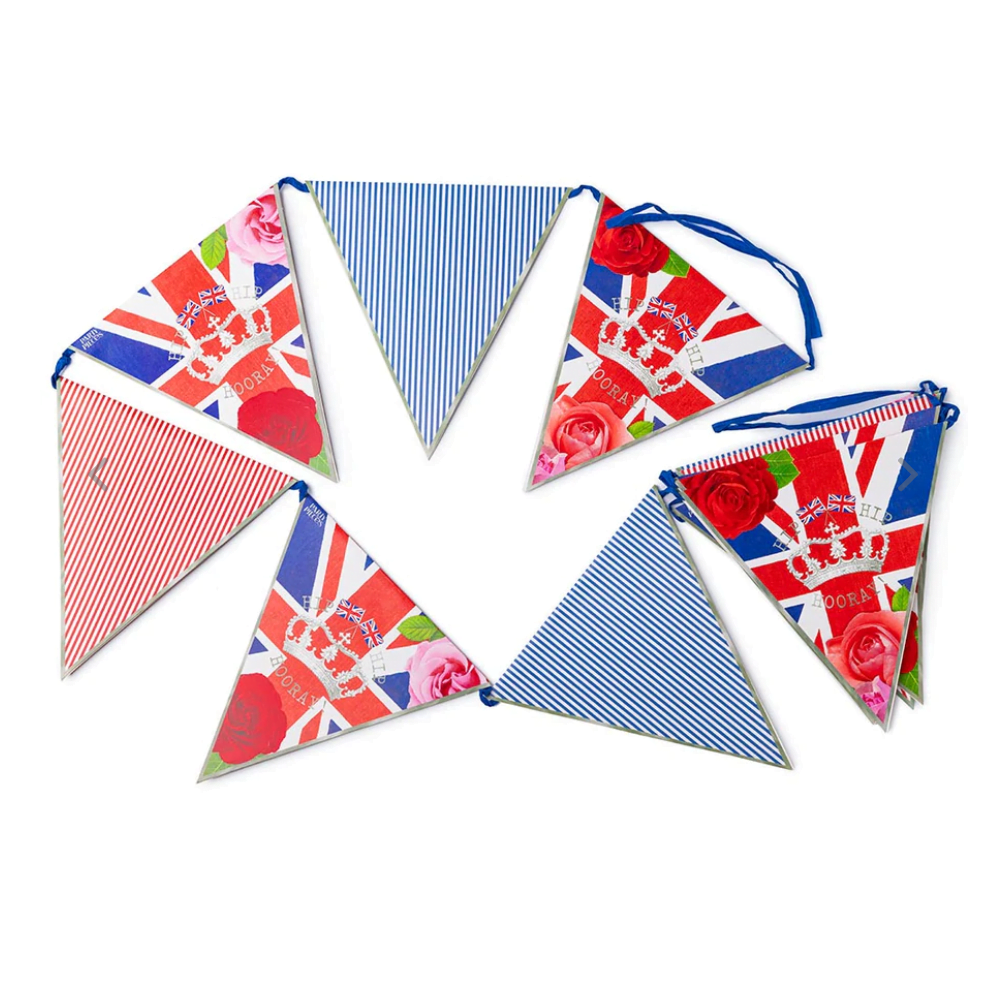
You can opt for classic Union Jack British bunting or you could elect to use a more subtle decoration, which blends a palette of red, white and blue, with Union Jacks and English roses.
A sure-fire way of reinforcing your Jubilee theme is to decorate your tables appropriately. This doesn’t need to be particularly expensive; since you will probably be looking for disposable table decorations in any case, take the trouble to buy some special Jubilee paper tablecloths and napkins, plates and cups. Even if you are entertaining at home, and using your own crockery and glassware, Jubilee-themed paper napkins and tablecloths, as well as bunting and balloons, will all contribute to the celebratory ambience. Remember, red, white and blue is the patriotic order of the day!
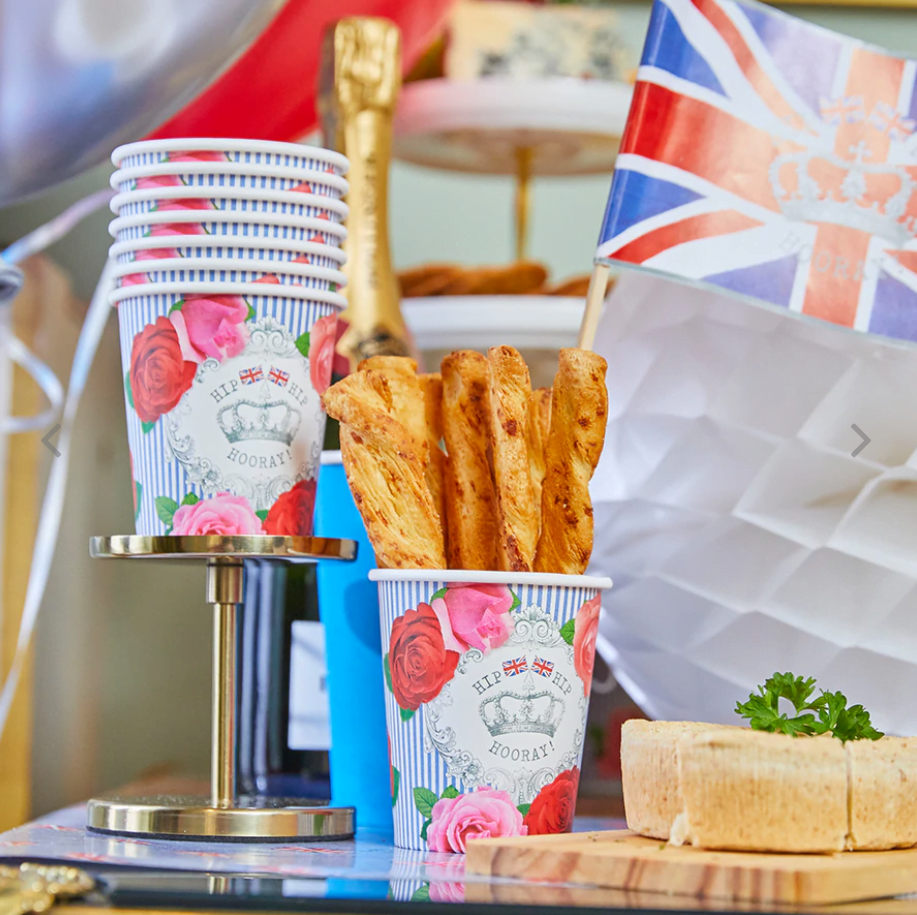
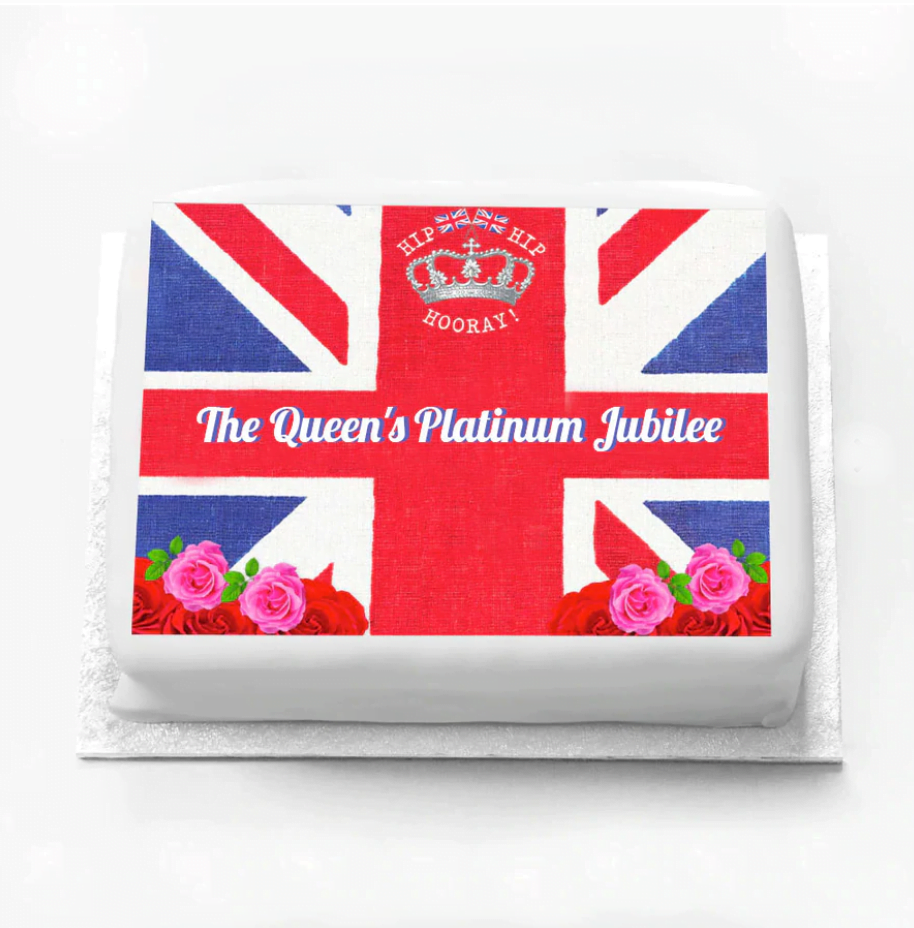
Party Pieces’ eco-friendly Great British Party Collection offers a range of bunting, tableware, cake toppers and cake stands, all sporting a unique Platinum Jubilee design, which weaves together English roses, coronets and Union Jacks.
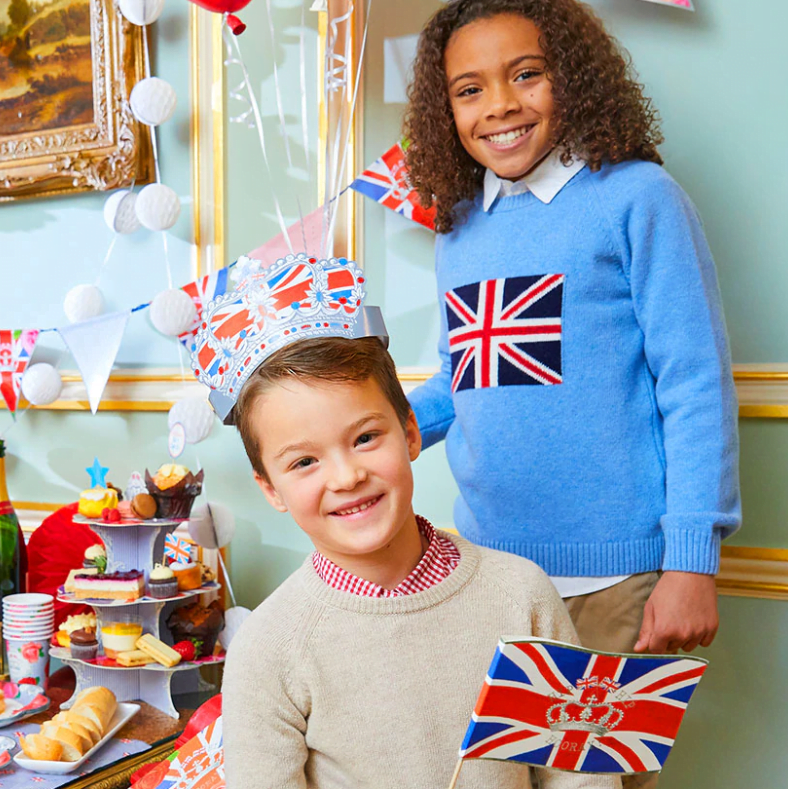
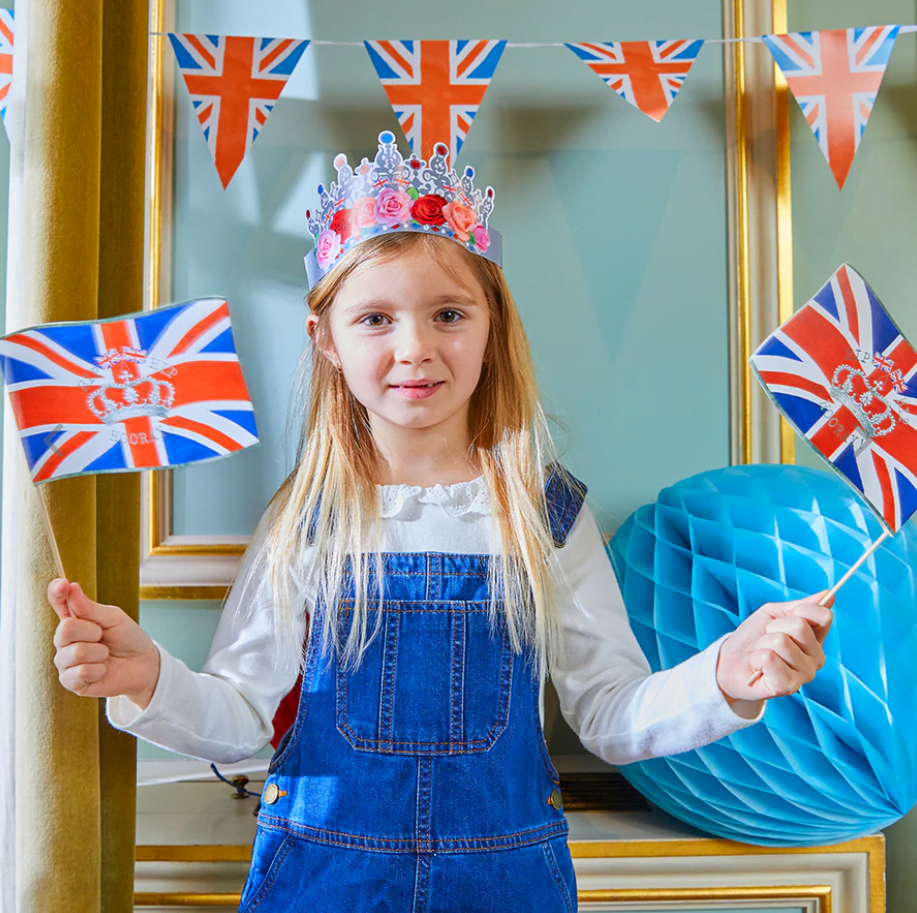
There are going to be lots of children at these events, and they will love waving their own flags, and even sporting special Jubilee party hats. Union Jack-coloured balloons will all contribute to the party atmosphere. This is a great way of keeping kids involved and happy throughout the day.
Ensure that all the disposable materials you buy are fully recyclable (look out for FSC-certified), and – particularly if you are organising a larger party – invest in plenty of large rubbish bags and recruit some volunteers to make a thorough sweep of the street and eradicate all signs of rubbish at the end of the day – you do not want to wake up the next morning and find your shrubs and lawn strewn with Jubilee detritus.
Coronation chicken was invented in 1953 by two Cordon Bleu cooks, Constance Spry and Rosemary Hume, for the coronation of Queen Elizabeth II. It comprises cooked chicken, herbs and spices and a creamy mayonnaise.
In the 1950s Indian spices were not easily obtainable in post-war Britain, so curry powder was used. The dish has evolved to reflect the revolution in British cuisine, and now is made using freshly ground spices, and may also contain other innovations such as flaked almonds, raisins and crème fraîche. Garnish it with chopped coriander – a widely-used ingredient today that was not available in the 1950s.
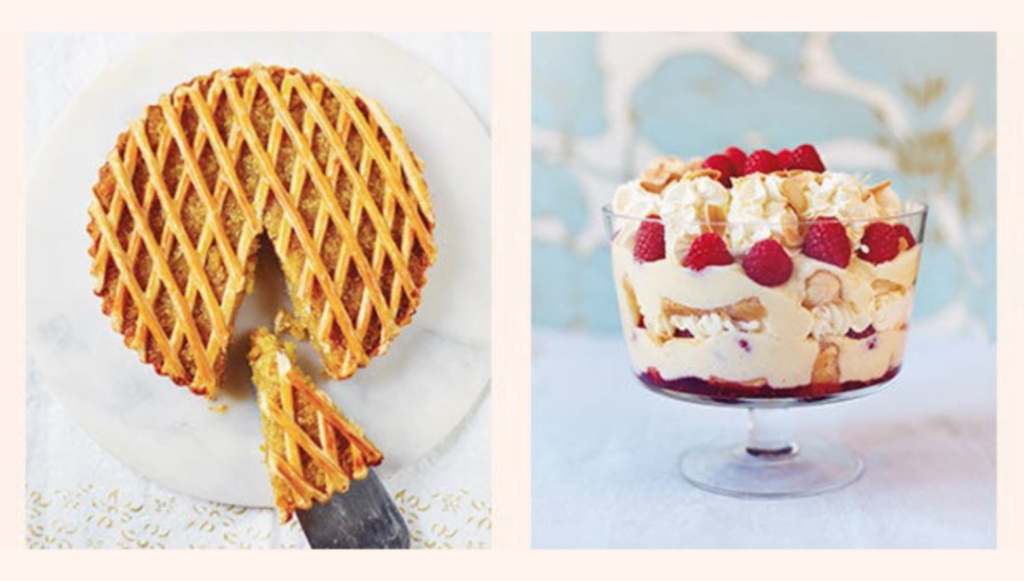
Image: platinumjubilee.gov.uk
We’ve all been invited to invent a new ‘Platinum pudding’ for this Jubilee. Alternatively, you can nod to earlier royal traditions and provide other dishes with royal connotations: Apple Charlotte (named after Queen Charlotte) or a Victoria sponge (invented after the coronation of Queen Victoria).
Whatever food you’re serving, or alcohol you’re drinking, it is imperative to have plenty of water and soft drinks available throughout the day. Sun, booze and dehydration is never a great combination.
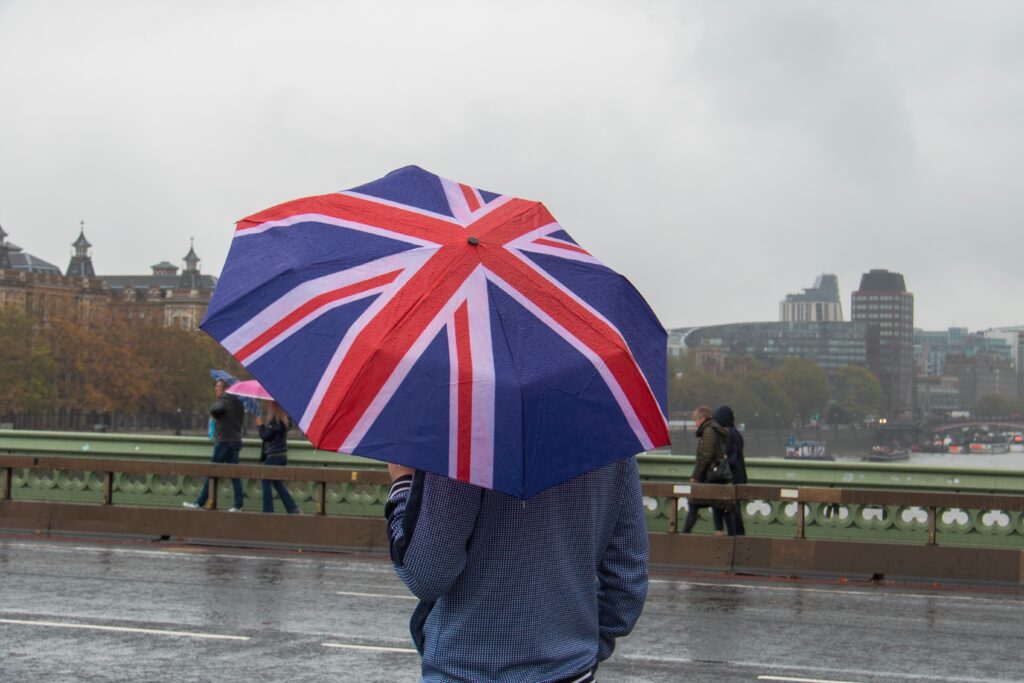
We all hope the Jubilee weekend will be warm and sunny, but this is Britain and we need to be prepared for all contingencies.
How about investing in (or borrowing) some inexpensive pop-up gazebos? Their sidewalls can be lowered or raised and even if the weather is clement they will be useful on the day as food or drink stands, where refreshments can be kept cool, or convenient oases of shade and relaxation (especially for older residents). Remember to festoon the gazebos with festive bunting!
If you’re hosting your own garden party, a gazebo is also useful. Alternatively, plan ahead to take the event inside if the weather turns wet. This means clearing space and tidying up before the party begins.
As with all entertaining, Jubilee events need lots of organising and will be greatly enhanced by showing consideration for everyone involved.
•Plan well ahead – big events will need an organising committee. List all the tasks involved and assign them to individuals who will take responsibility for them.
• Communicate with everyone involved. If you are planning a communal event, announce it well ahead. You can post about it on social media or local WhatsApp groups, and you can reinforce your message by putting up posters around the neighbourhood.
• Issue invitations to communal events – they don’t need to be expensive (a photocopied single sheet will do), but if invitations are posted through everyone’s door you know that everybody has been included, especially older residents who do not use social media. The invitations should be very clear about what is involved: start and end time, activities that will take place, timing of the meal, and any contributions needed.
• If you’re planning your own private party, invite people well ahead of the Jubilee weekend, as there will be a lot of social events going on.
• If you are invited to a private Jubilee party, make sure you RSVP as soon as possible. You may receive subsequent offers at this busy time of year, but once you have committed to an event you are obligated to attend – it’s very rude to cancel and take a better offer.
• If you are holding an event in your garden, warn the neighbours or, better still, invite them. If we’re lucky enough to have a warm Jubilee weekend, be conscious about late-night socialising outside – voices and music carry at night, so be considerate about ending your party at a reasonable time.
• Clear up after your party. For big events you will need to enlist helpers well ahead of the date. But even if you’re hosting a private garden party, do make sure that you pick up all disposable tableware at the end of the day – if you leave plates, cups and napkins lying around, they might find their way into neighbours’ gardens.
Image: The Royal Procession in 1847 by George James Crawthorne and Richard S. Herod
This year is the 200th anniversary of the Royal Box at Ascot racecourse, and we are taking a look at the two most prestigious events on the racing calendar and their historic place in London’s Season. These race meetings, both held in June, are still summer highlights, so now is the time to follow a great British tradition and plan an outing to Epsom or Ascot.
The cream of London society – beaux and dandies, debutantes and their doting mothers – all looked forward with eager anticipation to the Summer Season. From May 1780 the Queen Charlotte’s ball, held originally to celebrate the Royal birthday, was the annual launch pad for the Season’s new crop of eligible young women, who were presented to the Queen and curtseyed to her as she stood next to an over-size birthday cake. From this point on they were debutantes, and the social whirlwind of balls, parties and soirées swept them along until the end of July, when the exhausted social butterflies were able to take some well-earned rest and relaxation in their country homes.
But the Season wasn’t just about balls and parties – it encompassed other pastimes, the most important being horse-racing, long a passion of British aristocrats and the royal family (it was known as the “sport of kings”). Some of the most famous horse-racing events can date their origins to the 18th century, and they survive – complete with long-established traditions and rituals – to the present day, when they have come to symbolise a quintessentially British summer.
Beyond the obvious fascination with all things equestrian, prestigious race meetings offered a social cornucopia: the excitement of betting at Tattersalls; the opportunity to be seen in the Royal Box; the delights of mingling with high society in the covered Grandstand; the chance to socialise with fellow enthusiasts at the race balls that accompanied the meeting.
The first race meeting ever held at Ascot took place on 11 August 1711 and was instigated by Queen Anne, but it was with the accession of George II that the race became truly popular. By 1813, races at Ascot were such a part of the fabric of England that Parliament stepped in, passing an act to ensure the racing grounds remained a public racecourse.
Prinny, the future King George IV, made Ascot one of the most fashionable social occasions of the year. The Royal Enclosure at Ascot dates back to the 1790s, when a separate Royal Stand was erected. The exclusive Royal Box, commissioned by George IV in 1822, was only accessible to guests brandishing a royal invitation.
Outfits for Royal Ascot were planned well in advance, and were always topped by extravagant hats and bonnets. Gold Cup Day is colloquially known as ‘Ladies’ Day’ (Thursday). The term seems to be have been first used in 1823, when an anonymous poet described the Thursday of the Royal Meeting as “Ladies’ Day… when the women, like angels, look sweetly divine.”
To this day, Royal Ascot, which holds five days of flat racing in mid-June, continues to be a key date in the social calendar, combining venerable tradition with fashionable panache when hordes of well-dressed racegoers descend on the Berkshire town.
In keeping with its Royal antecedents and illustrious place on the social calendar, Ascot still operates strict dress codes. To gain entry into the 200-year-old Royal Enclosure, race-goers must be recommended by someone who is already on the list. Convicted criminals and undischarged bankrupts are barred from the Royal Enclosure. Divorcées have only been allowed in since 1955.
Men must wear a morning suit, national dress or uniform, with top hats and no brown shoes. Ladies must sport hats and formal daywear – dresses and skirts that are no more than two inches above the knee. Dresses that are strapless, halterneck, off the shoulder or have spaghetti straps are not permitted. Trousers may only be worn as part of a suit. Bare legs are frowned upon. Stilettos are not recommended, as they make walking on grass difficult.
Visitors also dress smartly for the Grandstand. Many ladies wear hats, although this is not obligatory. Gentlemen are required to wear a suit or jacket, in both cases with a tie.
Royal Ascot takes place 14–18 June 2022
The first recorded Epsom Derby race meeting was held on Epsom Downs in 1661. In 1779 the 12th Earl of Derby organised a race for himself and his friends to run their three-year-old fillies over a mile, and this race was subsequently called ‘the Oaks’, after the Earl’s country estate. A similar race was suggested for colts and fillies, which was to be inaugurated the following year, 1780. The title of the race was decided after the Earl of Derby and his friend and fellow-racing enthusiast Sir Charles Bunbury flipped a coin. In 1784 the course was extended to its current distance of a mile-and-a-half.
By the end of the 18th century the Derby was already well established as the day when Londoners of all classes decamped to the country (until the 20th century Derby Day was traditionally a Wednesday). In 1793 the Times reported: “The road to Epsom was crowded with all descriptions of people hurrying to the races; some to plunder and some to be plundered. Horses, gigs, curricles, coaches, chaises, carts and pedestrians covered with dust crowded the Downs, the people running down and jostling each other as they met in contact.”
For many ordinary people it was simply a day out – a chance to drink, gamble (various games of chance were on offer in the tents that sprawled across the Downs), and to attend entertainments such as cockfighting and bare-knuckle boxing. For the aristocrats and royalty who attended, it was an opportunity to display their knowledge of horseflesh, and their passion for the sport and betting.
The Grandstand at Epsom was not built until 1829. Before then the upper classes, who came in their own carriages, paid for the privilege of parking where there was a good view of the racing, well away from rowdy crowds and their boisterous enjoyment.
Today, the Derby Festival is still considered one of the most iconic events on the summer sporting calendar. It is held over two days; Derby Day is on the Saturday and Ladies’ Day, when the Oaks is run, is on the Friday. The fashion stakes are high and elaborate headwear and colourful dresses are the norm.
While the Tattenham Picnic Area and the Hill allow spectators to relax and enjoy the view, dress codes apply to the range enclosures at Epsom; in the Grandstand smart casual clothes (jacket, collared shirt) are encouraged. Ladies do not have to wear a hat but the majority do.
Within the Queen’s Stand a strict dress code applies; black or grey Morning Dress with a top hat, service dress or full national costume is traditional and obligatory for gentlemen on Derby Day. Ladies are asked to wear formal day dress, or a trouser suit, with a hat or fascinator. On Ladies’ day within the Queen’s Stand, gentlemen are asked to wear a jacket, collar and tie. Ladies do not have to wear a hat but the majority do. Jeans, sports shorts, denim or trainers are not acceptable.
The Derby Festival takes place 3–4 June 2022
Good manners are about the basic courtesies that make everyday transactions more pleasurable, and everyone will find them an asset, both socially and professionally.
But there are further refinements of these fundamental codes of behaviour that will enhance social life. These are the small gestures, which show that you care, that you have taken the trouble to notice and accommodate other people, and done your best to make them feel at ease.
As society has evolved, and become less class-ridden and more democratic, people have rejected the more arcane examples of British manners, which seem increasingly irrelevant to modern life. This is understandable, but there is a risk in doing so that some of the more effective niceties will also be obliterated.
As a general rule, your guests will appreciate signs of forethought and planning, which will indicate that their comfort is important to you, and that you are prepared to make an extra effort to ensure they are enjoying themselves. The only risk is that you will overwhelm your guests with your attention, but this is a much better option than leaving them feeling neglected or forgotten.
We are all aware, for example, of the formal accoutrements that will make a dinner party special – seating plan, table linen, matching crockery and glassware, table decorations, candles, and so on, will all send out signals about the occasion. But even if you are inviting friends round to an informal lunch or supper, there are certain finishing touches that will communicate the care you have taken to make them feel welcome.
If you lay the table before they arrive – it signals that you are looking forward to their company and have planned and prepared ahead for it. Even if you are not going for a fully decorated table, add a little finishing touch – a small posy of flowers or some candlesticks for example – to indicate that this is a special occasion.
Give everyone a napkin, or at least a paper napkin – providing hastily torn-off segments of kitchen towel is fine for a family supper but will indicate you are not paying special attention to your guests.
The days of formal house parties are long gone and forgotten – for many of us having people to stay involves improvisation rather than time-honoured arrangements, and we accommodate our guests in hastily purloined children’s bedrooms or on sofa beds. But, however minimal your guest facilities, you can still show you care.
If you do have a guest room (or even a borrowed bedroom) try and prepare it before your guest arrives – guests who have to stand by while the bed is being made up will feel that they are imposing on the host. If you have to improvise for your guest and provide them with a sofa bed that cannot be made up until the end of the evening, at least have the bed linen, pillows and duvet prepared and ready. It shows that you have planned for their stay and done your best to minimise inconvenience.
If your guest has their own bedroom, add some finishing touches: a vase of flowers on the dressing table, an inviting pile of books on the bedside table, a fresh bar of soap, a radio. This attention to detail will show that you care about your guest’s comfort and are happy that they have come to stay.
It is always better to err on the side of making too much effort rather than too little. This is very apparent in how we dress. Strict dress codes are becoming less common and many social invitations are therefore difficult to interpret. Nevertheless, it is better to dress up rather than down for most social occasions. You may feel overdressed, but you will probably look better turned out and smarter than more casually dressed guests and there is the added bonus that the host will see that you have taken some trouble and will appreciate it. By making a bit of an effort you are paying a compliment to your host, and what could be politer than that?
‘Appropriate’ is a term that is frequently bandied about when talking about behaviour. Clearly, there is a time and a place for (nearly) everything and if we are going to be civilised members of society the supposition is that we will recognise this.
From earliest childhood, we are taught what is ‘appropriate’: we must not talk or laugh during school assembly or church services, although it is fine to do so in the playground; we must not run around in restaurants, disturbing the other diners, although it is quite acceptable to do so at an open-air picnic. We learn the simple fact is that our demeanour must be adjusted according to the circumstances in which we find ourselves. We also learn at a very young age that how we behave at home, or with our immediate family, is different from the ways in which we conduct ourselves in the world – for example at school, or when visiting our friends’ families. Recognising that behaviour must be adapted and moderated according to the situation we are in is a vital part of growing up.
As adults, it would seem, therefore, that we should be well schooled in recognising places that demand discretion and restraint. This would certainly be the case in locations where important business is being conducted – courtrooms, chambers of government, places of worship – and by modifying our behaviour we demonstrate that we respect the work that is being done in these spaces.
We must also assess whether our behaviour is likely to impact negatively on other people. If we are acting inappropriately in a public space, the people around us might see our behaviour as offensive or disrespectful. Recognising this means acknowledging that whenever we are out in the world we are observed by other people. We do not exist in a hermetic bubble where we can behave as we choose; being seen in society means making continual minute adjustments to our public persona and ensuring that we are never transgressing against the people who surround us.
From 6 April new UK legislation has introduced no-fault divorce. This is aimed at reducing recriminations and conflict, completely removing the necessity for divorcing couples to apportion blame for the breakdown of their marriage.
These ground-breaking reforms are undoubtedly welcome news for couples who are contemplating divorce. Nevertheless, however enlightened divorce law may now be, it still cannot completely alleviate the pain and trauma of divorce. While grievances need not be aired in legal proceedings, they may still be very real, and many couples will experience difficulties when communicating the news and dealing with their immediate family and wider circle of friends. These recommendations will help you break the news of divorce and will give you some advice about navigating social situations in the immediate aftermath.
It’s essential to tell friends and family when you’re getting divorced, but be careful. Many couples are serial divorce-planners; they talk incessantly about how it’s all over, they reveal detailed plans for separation, they elicit sympathy. And then, within weeks, they’re back together again. Understandably, onlookers find this behaviour intensely irritating, and their sympathy diminishes exponentially.
So don’t announce an imminent divorce until you’re absolutely sure this is your final decision. Once you know this is irreversible, tell your friends and family about your plans. It is also helpful (and easier for you) if you can clarify how you intend to behave around your ex-partner. If you are filled with rage, bitterness and resentment, it is a safe assumption that ‘civilised’ socialising is a distant prospect. If you have children, you may be determined to behave as well as possible, trying hard to keep your anger in check, and maintaining a veneer of normality. You may be divorcing quite amicably, with no intention of losing contact.
Once these issues have been clarified, people will have a better idea about how they should behave:
•Be discreet when communicating with other people. Reserve your most bitter regrets, recriminations and revelations for your counsellor, lawyer or best friend.
•Don’t belabour casual acquaintances with the sins of your ex-partner. You will be seen as a bore.
•In public, at least, try and remain positive about your ex-partner.
•Let people know if you think they’re rushing you into mutual socialising. If you don’t want to be confronted by your ex across a table at a dinner party, then explicitly tell your friends that you find it difficult.
•When you’re ready to start looking again, tell your friends. If they’re frantic to match-make, and you just can’t face it, tell them explicitly. You shouldn’t feel railroaded into dating when you’re not ready.
•Be absolutely discreet about confidences. If you’re talking to both ex-partners, and revealing private confidences to each, you may find yourself entangled in some very fraught emotional territory. You will be seen as colluding, provocative and trouble-stirring – it’s far better to respect confidences.
•If you’re friendly with the divorcing couple, try to be sympathetic and supportive without being totally partisan. Post-divorce revelations are highly charged and emotional, and you may not be getting the whole story.
•Be certain about where your loyalties lie. If you’re a close friend of one half of a bitterly divorcing couple, you may be seen as disloyal if you try and maintain relations with the estranged partner. Be honest and open about everything you do and you won’t get trapped in game-playing.
•Don’t greet news of a divorce with remarks like “I never liked him/her anyway”. You will be devaluing the marriage, and bringing your divorcing friend’s judgement into question at a time when they’re feeling raw and vulnerable. You will also be revealing that you were two-faced – pretending to like someone you detested.
• In situations where there is potential conflict – perhaps you are hosting a party, and feel that you can only safely invite one of the ex-partners – be completely up-front about your actions, explaining your motives to both parties.
•Make yourself endlessly available to your divorcing friend. Give him/her as much of your time as possible, and always be ready to take that midnight call or accept an impromptu visit.
•When your friend is ready to move on, do your best to ease him/her back in society. Invite him/her to meet new friends at a dinner party; or even try your hand at a little matchmaking. Above all, take it slowly…
Over the last two centuries jubilees have renewed enthusiasm for the monarchy, and sometimes provided distraction during troubled times. They have left a tangible legacy of royal bequests to the public, including bridges, public parks, law courts and hospitals.
Royal Jubilees must embrace dignified and stately ritual as well as offering the British people a chance to celebrate and have fun. They have evolved to comprise a number of elements: a royal service of thanksgiving, chains of beacons and spectacular fireworks, royal parades and processions, flypasts, royal tours and walkabouts, local parties and celebrations in towns and villages all over the country.
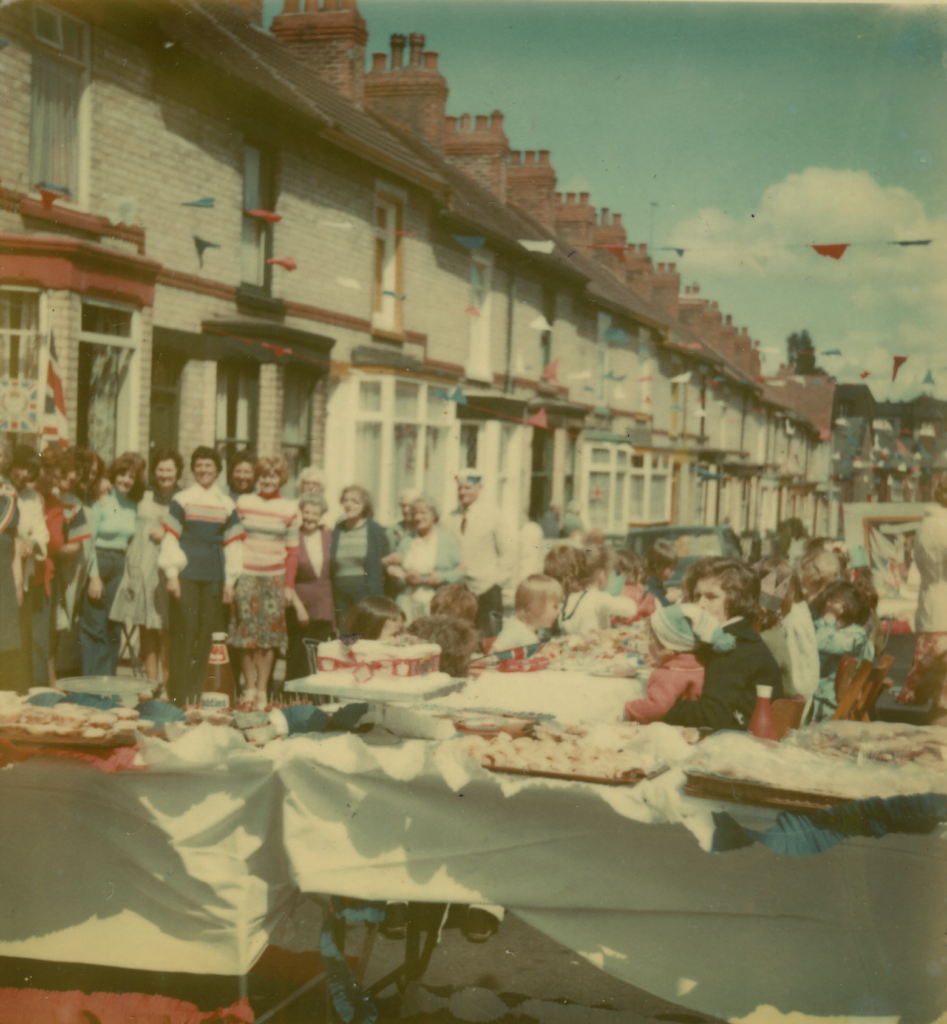
Jubilees go hand in hand with the great British tradition of street parties. These evolved from the more rustic celebrations of the 19th century into ‘peace teas’, which were held for children to mark the end of the First World War. Street parties, with their trestle tables, bunting and balloons, have continued to mark our national history: royal jubilees, VE and VJ day, the Coronation. The British love these informal communal affairs, where a democratic spirit prevails and everyone chips in and participates. Eating, drinking and socialising with neighbours is enlivened by traditional games such as sack races or street cricket and live music.
In 1809 celebrations were held for George III’s Golden Jubilee. The War of American Independence and the ongoing Napoleonic wars had taken their toll and the British people were ready for a party. On 25 October 1809 celebrations were held all over the land. The King and his family celebrated in Windsor, but apart from this there was no central organisation of the Jubilee; it sprang out of spontaneous local celebrations, and was a remarkable display of patriotism. In public spaces, towns and villages throughout the land, buildings were illuminated and spectacular firework displays lit up the night sky. People flocked to services of thanksgiving and sat down together to enjoy lavish feasts of ‘Old English Fare’, such as roast oxen and plum pudding.
The King marked the occasion with acts of benevolence: ‘all persons confined for military offences’ were granted an amnesty and released; in Newcastle-upon-Tyne, ten prisoners were released and given half a guinea with which to toast the King’s health.
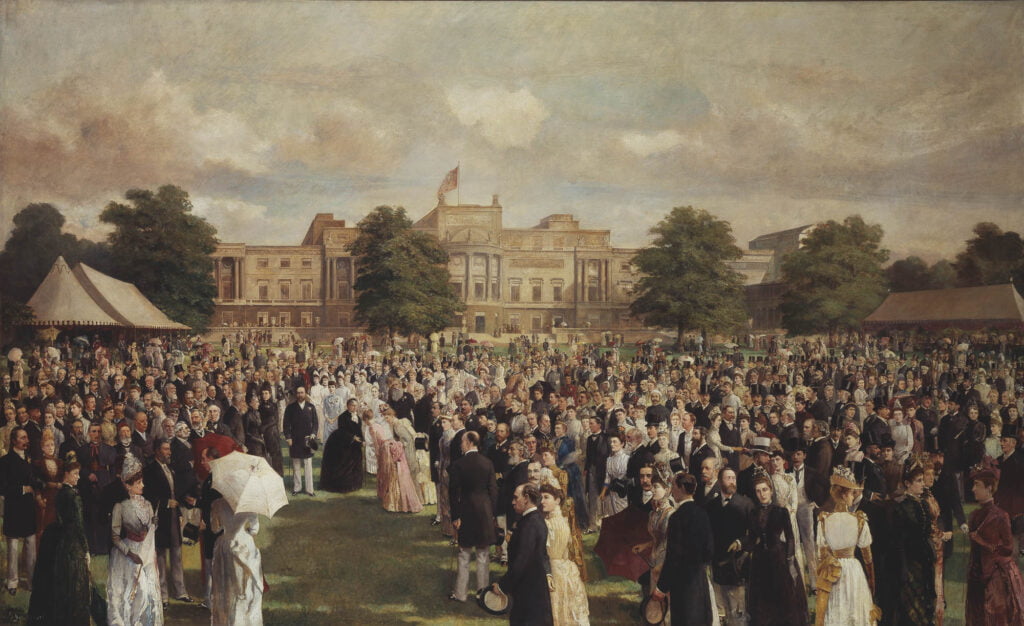
In 1887 Queen Victoria celebrated her Golden Jubilee. It came at a time when there was significant republican sentiment in Britain – the Queen, lost in deep mourning, had become remote after the death of Prince Albert, and many working class people were struggling with unemployment, food shortages and unusually cold winters. There was much popular opposition to lavish celebrations – in the words of Matty Tate, the ‘Pitman Poet’:
“Why waste we our means
Over Kings and Queens
Though ever so good they may be?
Let the Duke and the Peer
With their thousands a year
Rejoice if they like, but
Oh dear, Oh dear
Save the poor from this Jubilee.”
Nevertheless, on 21 June a service of Thanksgiving was held in Westminster Abbey and the blue skies and warm sunshine were hailed as the ‘Queen’s weather’ in the popular press. As well as the usual plethora of fêtes, parties and parades, the Golden Jubilee was marked by a more material, and beneficial, legacy: an abundance of commemorative parks, statues, hospitals, libraries, water fountains.
Ten years later, the Queen celebrated her Diamond Jubilee, the first British monarch to do so. Her Jubilee became a confident celebration of the might and power of the British Empire, and the prime ministers of all the self-governing dominions were invited to London. On 22 June 1897 a spectacular procession of 17 carriages, flanked by a military escort and carrying monarchs, maharajahs and chiefs from all around the world, wended its way along the six-mile processional route from Buckingham Palace to St Paul’s Cathedral, where a service of thanksgiving was to be held. The route, which was bedecked with flags, banners and bunting, crossed London Bridge to take in the poorer boroughs of Southwark and Blackfriars.
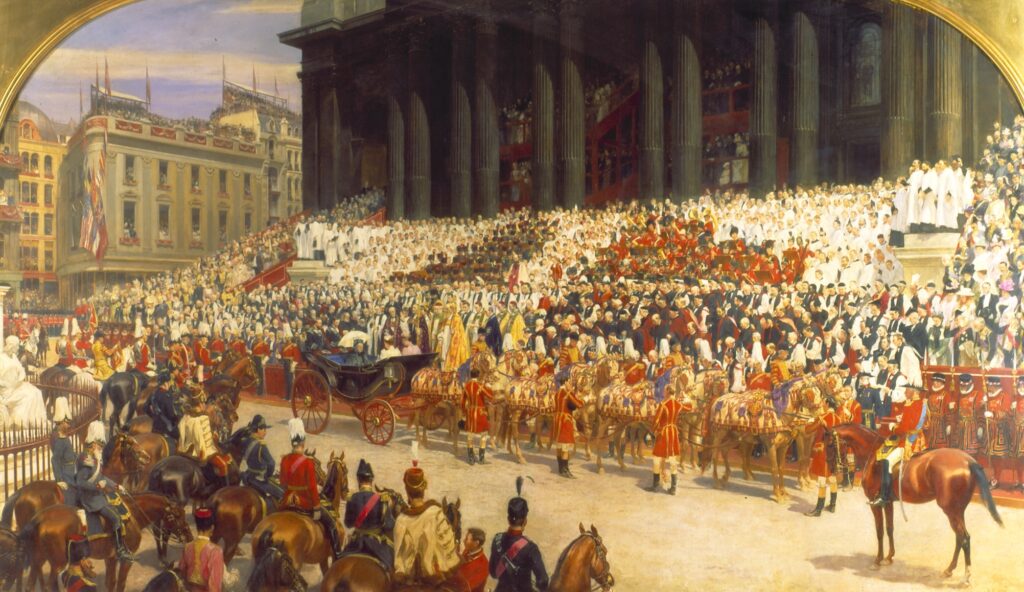
The Queen wrote in her journal: “No one ever, I believe, has met with such an ovation as was given to me, passing through those six miles of streets… The crowds were quite indescribable and their enthusiasm truly marvellous and deeply touching.”
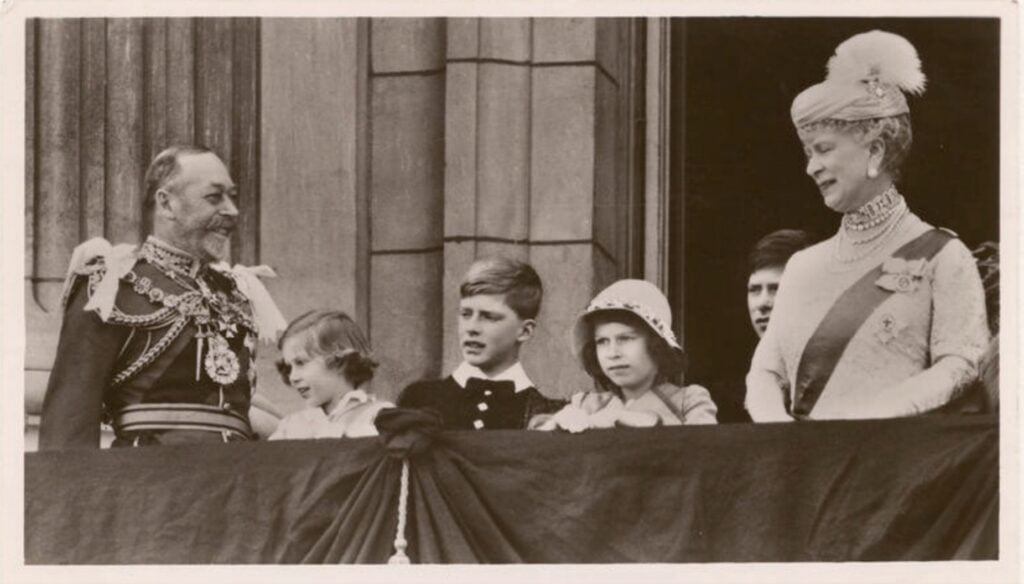
The celebrations in 1935 marking the 25th anniversary of George V’s reign, the first time a silver jubilee had been celebrated, were very different. Britain was beset by high unemployment and locked deep in a depression, and the threat of another world war was looming. George V, who had gradually won support from moderate Labour party politicians, had remained popular through the First World War and the economic slump of the 1920s and 1930s – he had, for example, voluntarily offered to reduce the civil list in 1931. In his Jubilee broadcast to the nation he remarked: “In the midst of this day’s rejoicing I grieve to think of the numbers of my people who are still without work. We owe to them, and not least to those who are suffering from any form of disablement, all the sympathy and help that we can give.”
His Jubilee launched with a Thanksgiving service at St Paul’s Cathedral on 6 May, and he was astonished by the enthusiastic reception he received on the streets of London.
On 6 July 1935, he carried out his Silver Jubilee Review of the Royal Air Force at RAF Duxford and RAF Mildenhall, which included 200 aircraft on the ground and a flypast of 350 aircraft. This was the beginning of a new Jubilee tradition, which acknowledged and commemorated the importance of the Royal Air Force.
Over the summer of 1935 George V visited the more deprived areas of London, often with his granddaughters, Elizabeth and Margaret, in tow. He was received with great warmth, and remarked: “I’d no idea they felt like that about me…I am beginning to think they must really like me for myself.”
Once again the Queen’s Silver Jubilee, like her grandfather’s, took place during a time of economic problems and recession. There were some protests from the public, notably the Sex Pistols, whose ‘Stuff the Jubilee’ badges and punk classic ‘God Save the Queen’ expressed some of the feelings of public disquiet.
Although the Jubilee had started with a successful Commonwealth tour in Spring 1977, Jubilee Fever didn’t seem to be sparking back home. However, on 7 June a million people lined the route as the Queen drove by for the official celebration. An astonishing 100,000 street parties sought to recapture the spirit and optimism of the Coronation.
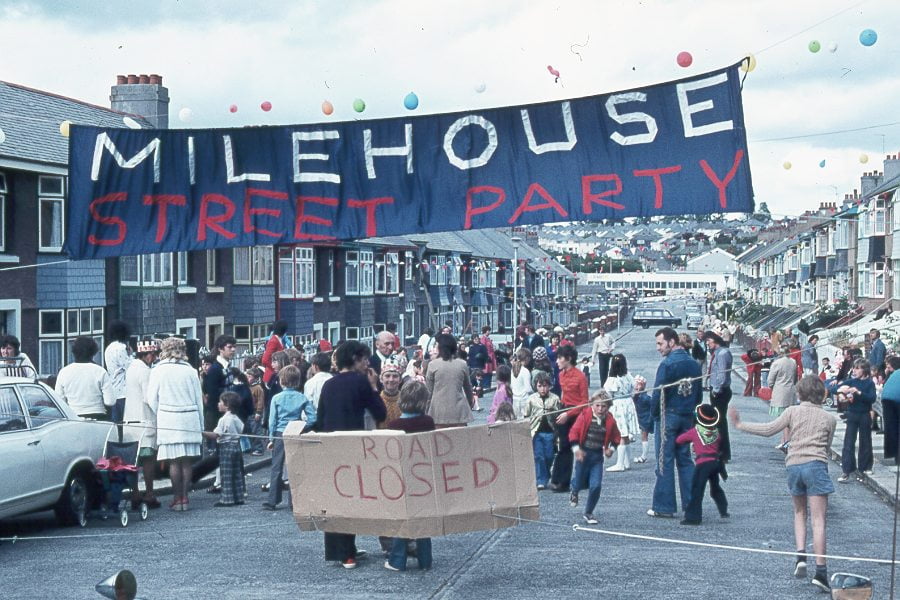
The Queen’s Golden Jubilee in 2002 arrived at a time when the monarchy was struggling: it had been severely shaken by the death of Princess Diana, and there had been some very bad press over royal expenses. In February, just three days before the anniversary of her accession, the Queen’s sister, Princess Margaret died, followed – at Easter – by the Queen Mother. But the Jubilee celebrations were not halted.
This time the Jubilee festivities emphasised accessibility and community, and to reinforce this message the Royal Family stepped down from the balcony and mingled with the crowds on the Mall. The Queen opened up the gardens of Buckingham Palace for a concert, which trumpeted the new era of Cool Britannia, and the building was illuminated with fireworks and lasers.
The Queen toured extensively, both globally and in the United Kingdom. By the end of her Jubilee year she had travelled 40,000 miles and conducted over 50 walkabouts in 70 cities in the UK.
The Diamond Jubilee in 2012 was launched on 3 June with a waterborne flotilla of some 1,000 boats on the River Thames, led by the Queen’s Royal Barge ‘Gloriana’. Thousands of beacons were lit across the Commonwealth on 4 June, and on that day the grounds of Buckingham Palace were opened to 10,000 ticket-holders, who enjoyed a picnic and evening concert. The following day the Queen travelled to the Jubilee service at St Paul’s by car, but made the journey back to Buckingham Palace in an open-topped carriage, to the delight of the general public.
The weekend ended with a balcony appearance by the Queen and senior members of the Royal Family, and a spectacular flypast, which included the last flying Lancaster bomber in Britain. Following the great British tradition, street parties took place across the country, many of them assisted by special lottery loans – the Jubilee Lottery Fund.
Now, ten years later, the Queen celebrates an unprecedented Platinum Jubilee. Once again the nation is preparing for another bonanza of beacons, parades, pageants and parties. It’s time to break out the bunting!
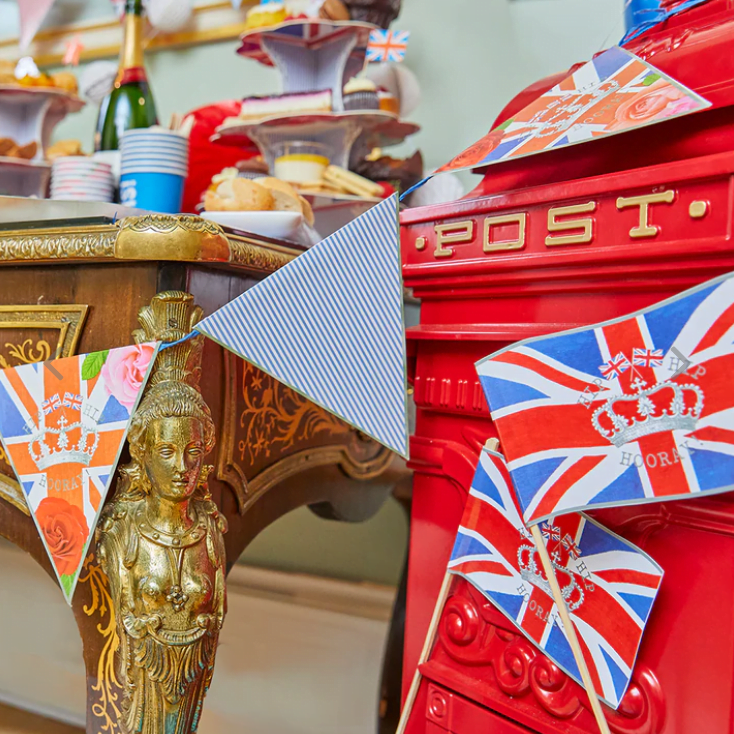
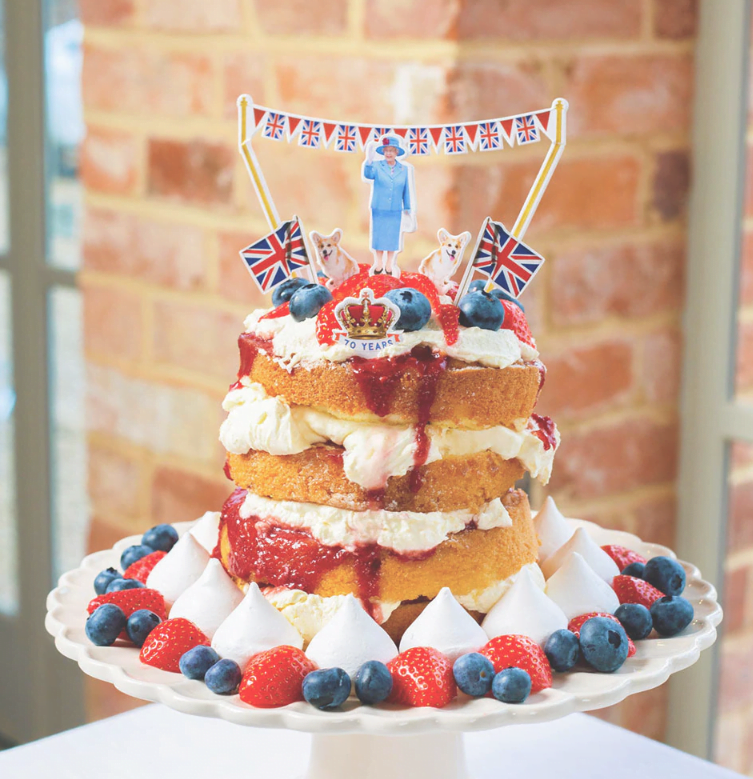
Planning a street party for the Jubilee weekend? We're delighted to be partnering with Party Pieces, which has launched a range of tableware and decorations to commemorate the Queen's 70 years on the throne. The eco-friendly collection, A Great British Party, includes bunting, balloons, cake stands and personalised cake toppers. Shop the range and get planning!
Social encounters during the Covid pandemic involved rapid recalibration. We had to be aware of social distancing, and therefore were forced to stand disconcertingly far apart. We had to acknowledge that many people would be reluctant to shake hands or hug, and many of us experienced the strange social dance of avoidance and retreat. Our conventional social signals had been upended, and many felt disconcerted, and sometimes even insulted, by the resulting awkwardness.
But now we are beginning to return to normality, and conventional social gestures, such as handshakes, are making a comeback. We still need to be aware of social distance, but British people have never been conventionally close-talkers or particularly physically demonstrative, so traditional body language is more than acceptable.
Your first encounter with anyone involves the lightning-fast sifting of a battery of first impressions. These will range from the obvious – appearance, voice, handshake, eye contact – to the subtle and barely acknowledged – deportment, body language, facial expressions. But you can be sure that, just as you make hundreds of these judgements every day, so you yourself are being assessed and judged. So ensure that you are not found wanting.
The signs of creepiness are indisputable and universally acknowledged: standing too close, touching strangers too frequently, inability to make eye contact, sweaty and limp handshakes, lack of facial expressions. But conversely, over-compensation can be equally unsettling – over-exaggerated facial reactions, laser-like eye contact and vigorous hand-pumping will only disconcert.
As in all things, the middle way is the best. You should never look as if you are trying too hard, but should aim for an air of relaxed ease. Listen carefully, even if your companion is an out-and-out bore, don’t interrupt, and maintain an air of interest. Never let your eyes drift to more interesting people/conversations/objects – even if anything, including inanimate objects, seems more riveting than your current conversation.
Try not to fidget or fiddle. Don’t play with your hair or beard, and try to avoid touching your face, for example putting a hand over your mouth or rubbing your eyes. Picking at your nails, or even worse, biting them, is a real no-no. Take a leaf from the pandemic rule-book, and turn away to cough or sneeze, preferably into a handkerchief, or failing that, into the crook of your elbow, never your hand.
Keep your distance, don’t intrude into personal space, don’t touch (unless you’re flirting). Keep your facial expression reasonably animated and – unless the subject matter is deadly serious – try and keep smiling. Stand up straight, no slouching.
Above all, eliminate all signs of self-consciousness. Looking as if you’re hyper-aware of the impression you’re making (whether it’s good or bad) is the worst mistake of all…



